
Why an Overflowing Gutter Poses Greater Threats Than You Think
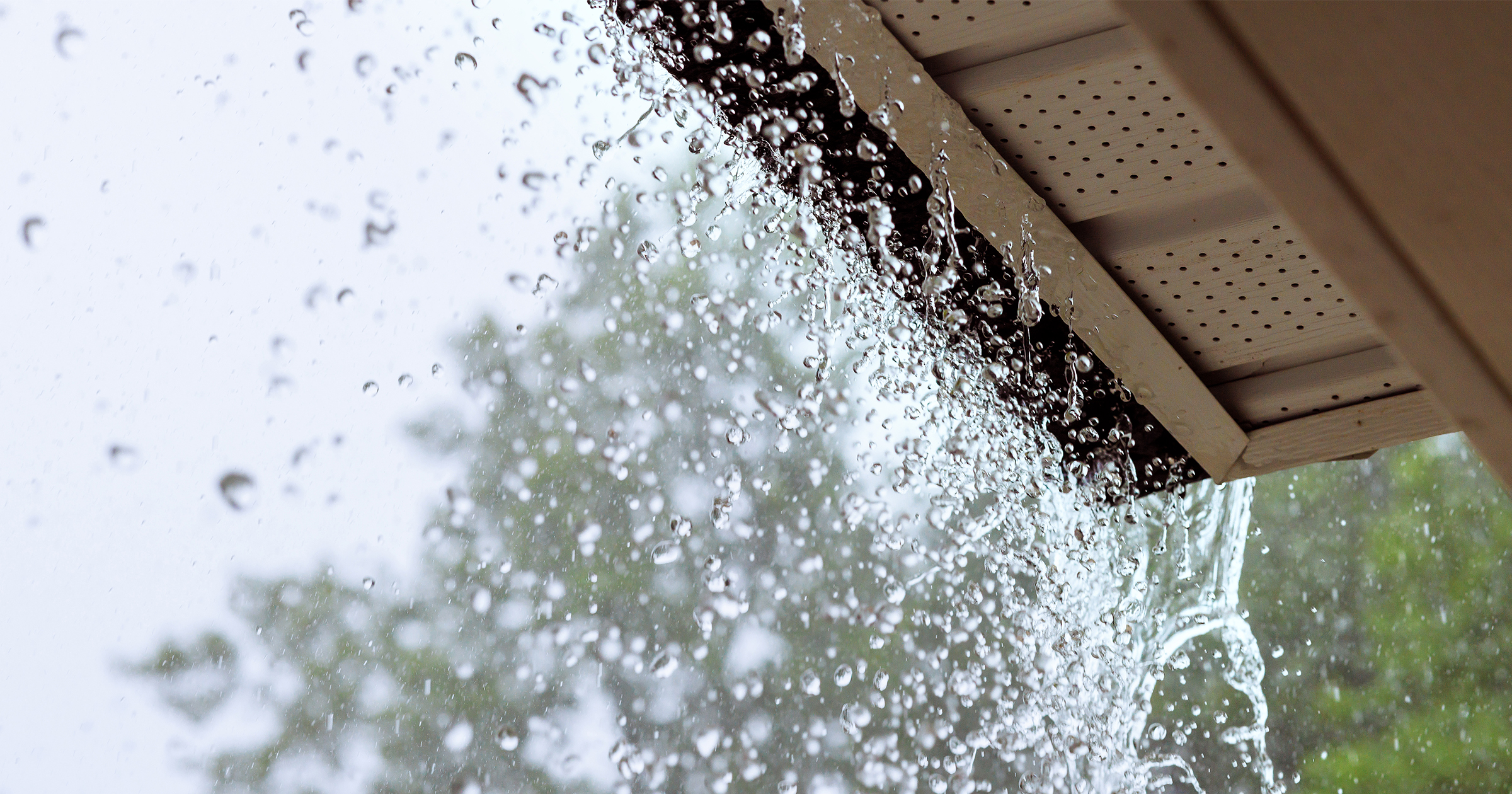
At first glance, a gutter with water spilling over its edges instead of smoothly flowing through the downspout may not appear to be a significant concern. Occasionally, during heavy rain, overflowing gutters can be expected when water accumulates in the gutters faster than it can drain through the downspout.
However, if you consistently notice overflowing water in your gutters, it’s time to identify the underlying issue and take corrective measures. Gutters serve a vital purpose, and although they may seem like a minor aspect of your home’s overall well-being, the potential damage resulting from poor drainage can be catastrophic.
Understanding Gutter Overflow Causes
One doesn’t need to be a home improvement expert to realize that blockages are the primary reason water doesn’t flow through the downspout. In fact, around 90 percent of gutter overflows are caused by debris such as leaves, whirlybirds, and roofing granules that obstruct the drainage system.
It’s crucial to recognize that blockages aren’t the sole cause of overflowing gutters. Gutters must also maintain a slight slope, typically about 1/2 inch per 10 feet of length. Level gutters can lead to overflow because water isn’t directed anywhere, but excessive slope isn’t ideal either. Steeply pitched gutters not only detract from the aesthetics but also force water out faster than the downspout can handle, resulting in overflow.
The Hazards of Overflowing Gutters on Your Home’s Exterior
Some homeowners might underestimate the significance of gutter overflow, assuming that it doesn’t matter if all the water doesn’t make it into the drain. This assumption is far from accurate because it’s where the excess water goes that can be highly damaging.
During storms with rain and wind, the overflowing water is likely to be blown into the most vulnerable areas of your home’s exterior, particularly around windows and doors. Even before leaks develop, prolonged exposure to moisture can cause wood framing around windows and doors to rot. This rot can lead to costly replacements, as indicated by a 2020 “Cost vs. Value” report published by Zonda, which estimated an average national cost of $21,000 for window replacement alone. Additionally, it can result in air leaks that increase utility bills and necessitate early HVAC system replacement.
Even when wind isn’t a factor, soffit and fascia are still susceptible to exposure. When these components begin to rot, the risk of water seeping down interior walls increases, and it’s highly likely that you’ll experience rodent and insect infestations.
Foundation and Basement Water Damage Due to Gutter Overflow
Surprisingly, the most expensive damage resulting from water overflowing from your gutters isn’t typically found in your windows, doors, or fascia—it’s the damage inflicted on your home’s foundation. Properly maintained and pitched gutters collect rainwater from the roof and channel it safely away from the home, either into the yard or the street.
However, when rainwater doesn’t reach the drain, it accumulates around your foundation. If the soil isn’t properly graded away from the house, this water will flow toward your home, leading to soil softening and saturation. Consequently, the concrete foundation can shift and eventually crack. Once cracks form, it won’t be long before water infiltrates your basement.
The consequences of water in the basement can be severe, especially in a finished space, as it can result in mold, mildew, bacteria growth, and even pose the risk of electrocution. Not to mention the costly foundation repairs required to prevent future flooding.
Addressing Gutter Overflow Issues
What’s frustrating about the damage and costs associated with overflowing gutters is that they are entirely preventable. The most crucial step homeowners can take to avoid these problems is simple: regular gutter cleaning. An annual cleaning in the spring is the minimum requirement, but removing leaves and debris before winter can significantly benefit your home. Some individuals opt for cleaning their gutters every three months, depending on their climate and the foliage in the area.
However, debris clogging isn’t the only issue causing overflowing gutters. Gutters may require periodic adjustments to their pitch, re-fastening, or replacement of damaged fascia, which provides structural support. An effective way to prevent gutter overflow and reduce maintenance costs associated with cleaning blockages is by installing gutter guards. These devices fit over the gutters, allowing water to enter while blocking leaves and debris from entering the gutter.
The good news is that early-stage solutions for gutter overflow are much more convenient and cost-effective compared to the extensive damage that can occur if left unchecked for years. Projects like window replacement, foundation repairs, basement remodeling, and siding replacement are significantly more costly and time-consuming than simply maintaining your gutters by removing debris – something worth considering for the long-term health of your home. Contact Bluff City Gutters today to discuss your preventative options.

